

A gentle reflection on emotional responsibility, unseen effort, and the human desire for stability in uncertain times.
I did not expect that morning to change anything. It looked ordinary. Almost harmless.
A missed call. A silent phone. A cup of tea growing cold beside me.
And then that familiar thought returned again — the one I pretend not to hear most days:
How long can a person keep giving before something finally gives back?
I sat there longer than usual, staring at nothing in particular. The kettle had stopped boiling. The house was awake. The world was moving. But inside me, everything felt paused.
People assume strength when they see consistency. They rarely ask what consistency costs.
The weight no one sees
On the outside, life looks functional. Replies are sent. Work continues. Conversations remain polite. But beneath that surface lives another layer — the quiet calculations, the unpaid waiting, the uncertainty about outcomes that were once promised.
I often think about how many of us are silently negotiating with life every day. Negotiating between hope and realism. Between patience and exhaustion. Between what we deserve and what we receive.
There was a time not too long ago when sleep felt optional. Not because of productivity, but because thoughts kept returning like unpaid visitors. What if the payment never comes? What if effort is remembered by no one? What if responsibility keeps expanding but stability does not?
That kind of mental fatigue is something I explored more deeply while writing
Burnout Warning Signs: When the Body and Mind Begin to Speak.
Because burnout is not always loud. Sometimes it is quiet persistence without replenishment.
When effort becomes emotional
We talk about money as numbers. But when you live inside it, it becomes emotional. It becomes about dignity. About fairness. About whether sincerity still has value in this world.
There were moments when I caught myself checking the phone too often. Not out of obsession, but out of hope. Maybe today. Maybe this week. Maybe this month. And each passing delay felt like a small emotional withdrawal.
What people do not see is how responsibility reshapes the inside of you. You become careful with spending. Careful with expectations. Careful with dreams. Not because you want less from life, but because you are trying to protect yourself from disappointment.
And yet, despite that caution, you still wake up and show up. That paradox is the real struggle.
The morning I almost gave up quietly
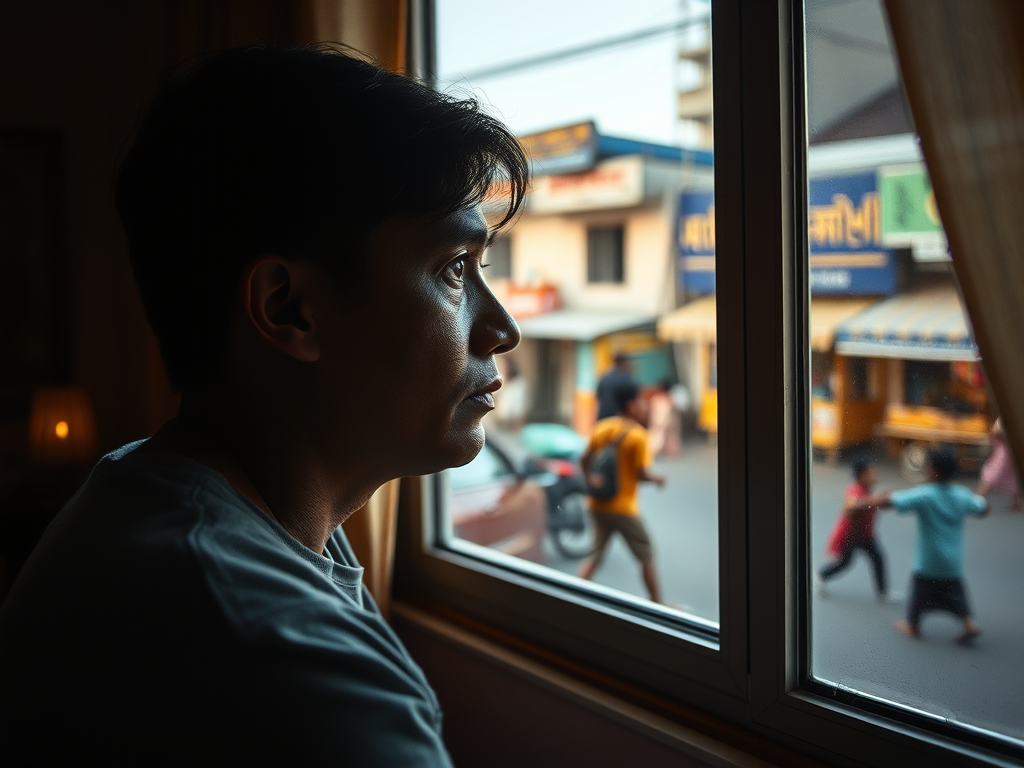
There was a morning when I stood near the window longer than usual. The street below was alive. Vendors shouting. Children running. Normal life happening. And for a moment, I wondered how everyone else seemed to move so easily while some of us carried invisible weights.
It was not dramatic. There were no tears. Just a deep tiredness in the chest. The kind that does not ask for sympathy, only for silence.
But something small interrupted that moment. A bird landing on the balcony railing. A simple, ordinary presence. Life continuing, unaware of my internal collapse.
And in that strange way, it reminded me that even when things feel suspended, life does not stop inviting us to stay.
Where clarity slowly returns
I have learned that clarity does not always come through solutions. Sometimes it comes through rituals. A slow morning. A walk without headphones. Writing honestly even when it hurts.
That is why I began building small practices around emotional stability, not productivity. I reflected on that gently in
Mindful Morning Rituals for Lasting Energy.
Because survival is not always about fixing life. Sometimes it is about learning how to remain intact while life unfolds slowly.
What the future self might whisper
If my future self could sit beside me now, I doubt it would say, “You should have done more.”
I imagine it would say quieter things:
You stayed honest when shortcuts were tempting.
You kept showing up when outcomes were unclear.
You carried responsibilities without becoming bitter.
You did not abandon yourself even when life felt unfair.
Perhaps that counts for more than we realise.
The science of emotional weight
This internal heaviness is not imagined. Prolonged uncertainty and stress affect the nervous system, sleep, emotional regulation, and mental clarity. Harvard Health explains how chronic stress reshapes both mind and body over time:
Understanding the Stress Response – Harvard Health Publishing.
Sometimes, simply knowing that your experience has biological grounding helps remove the shame from it.
A quiet truth about responsible people
There is a loneliness that comes with responsibility. People often see reliability. They rarely see vulnerability. They see consistency, not the emotional cost behind it.
But perhaps there is also a quiet strength here. Not the kind that demands recognition. The kind that survives quietly.
Many readers have written to me with similar confessions: “I am trying, but I feel invisible.” Different lives. Same emotional echo.
Gentle questions, if you are reading this slowly
- What responsibility are you carrying silently right now?
- When did you last acknowledge your own effort?
- Are you treating yourself with the patience you give others?
- If your future self could speak today, what would it thank you for?
Frequently Asked Questions
Is emotional exhaustion from financial uncertainty real?
Yes. It is one of the most common and least discussed emotional burdens, especially among sincere and responsible individuals.
How do I stay grounded when outcomes are uncertain?
Grounding comes less from control and more from practices that protect emotional stability: reflective writing, slow mornings, honest conversations, and moments of intentional stillness.
Why do I feel like I carry more than others?
Because responsibility often grows in people who care deeply. It is not a weakness. It is conscience.
Sometimes healing begins with recognition. Recognising that your effort is real. Your struggle is valid. And that you are not alone in carrying it.

Emotional Balance of Responsibilities & Struggle




Please Leave a Reply