

By Rohitash
Policy isn’t poetry — but sometimes I wonder why it couldn’t be. Poetry breathes, listens, adapts, responds. Policies, on the other hand, often feel like locked rooms where only a few voices echo. And too often, those voices don’t belong to the young people who live inside the systems we design for them.
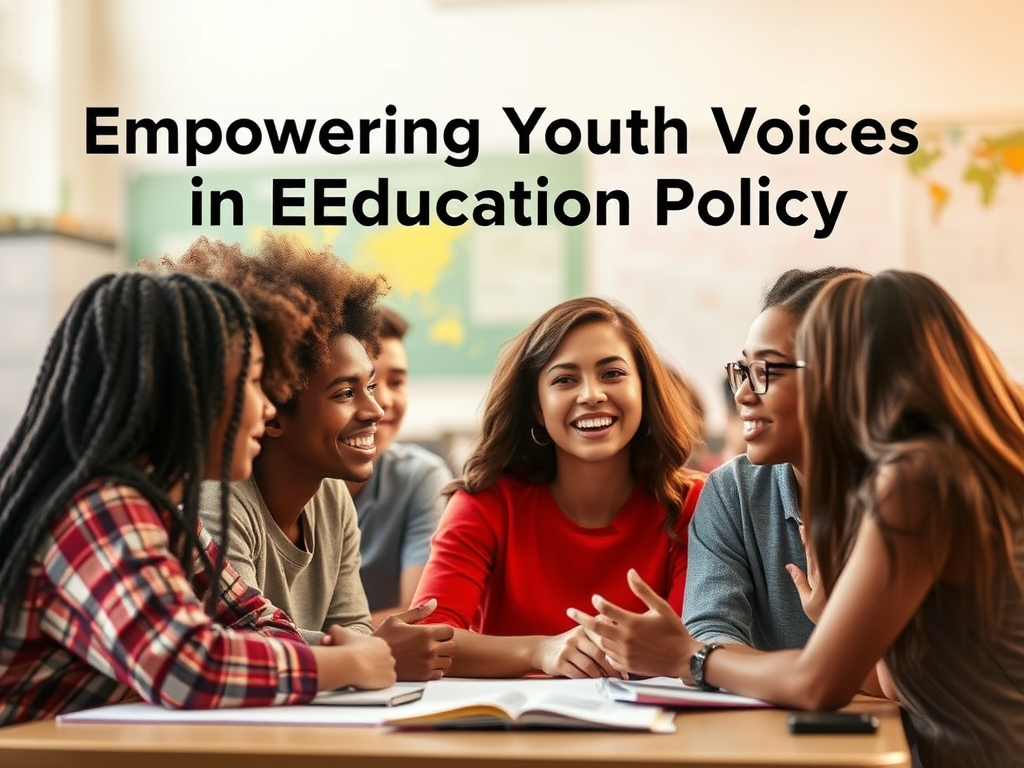
This thought struck me again while reading about the ongoing conversations around youth and education in Malta. So many young minds trying to say something simple: “Listen to us. We live this every day.” Their message isn’t loud, but it’s honest — and sometimes honesty is what cuts deepest.
When Youth Speak, Education Becomes Human Again
Young people understand education better than any policymaker ever will. They are the ones navigating crowded classrooms, outdated expectations, and curricula that don’t match the reality they see outside the school walls. Their concerns aren’t theoretical — they are lived.
UNICEF highlights this gap clearly in its work on youth engagement: genuine change happens when young people aren’t treated as future citizens but active partners in the present. That truth applies not just globally, but sharply to Malta’s youth who continue asking for a system that reflects their world, not just an old script.
As someone who observes the emotional side of learning and growth, I can’t help but notice how similar their concerns are to the wellness themes I write about. Pressure, burnout, the longing for safe spaces — these threads run everywhere. I’ve reflected on them before in pieces like Burnout & Inner Calm, and it’s clear the emotional landscape of students matters as much as the academic one.
Malta’s Youth Aren’t Asking for Perfection — They’re Asking for Presence
While exploring Malta’s educational conversations, one thing became clear: the youth feel unseen in the very system built for them. Their criticism isn’t rooted in rebellion; it’s rooted in a desire to belong. They want classrooms that connect, teachers who feel supported, and learning that prepares them for the world they’re stepping into — not the world policymakers grew up in.
The reality is simple: education without empathy becomes administration, not transformation.
Even UNESCO’s guidance on youth-centered education emphasizes that systems flourish when young people participate in shaping them — not after decisions are made, but during the process itself. Without that, reforms look polished but feel hollow.
In my own reflections, whether discussing Emotional Balance or writing about the blurry edges of burnout, I’ve learned this: listening is the foundation of healing. The same holds true for education systems. When students are heard, discipline improves. When they are respected, engagement rises. When they feel ownership, learning transforms.
Policy Isn’t Poetry — But It Should Still Feel Alive
When I say “policy should be poetry,” I don’t mean policies must rhyme or sound lyrical. I mean they should feel alive — rooted in real lives, shaped by real stories, and flexible enough to grow with the people they serve.
A poem evolves when the writer evolves. Policies, too, should evolve when society does. Instead, many remain frozen in time, and young people feel trapped inside frameworks too stiff to hold their dreams.
Imagine if the architects of Malta’s education policy sat in a circle with fifteen students and listened, not as officials, but as humans. Imagine if teachers were asked about emotional strain, not just exam results. Imagine if policymaking included a little more patience, curiosity, and warmth — the same human qualities we admire in poetry.
That shift alone could turn rigid rules into living guidance.
A System That Breathes Is a System That Learns
Every country faces challenges in shaping education, and Malta is no different. But youth have already begun whispering the answers. They want relevance. They want room to breathe. They want a learning experience that respects their emotional and mental realities.
In one of my earlier reflections, Monday Reflection, I wrote about slowing down enough to hear what life is really telling us. Maybe policymakers need the same pause — to hear what the youth are truly saying beneath the noise.
This isn’t about politics. It’s about presence. It’s about building an education system where young people feel at home, not inspected. A place where curiosity matters as much as compliance. A space that grows with them instead of pushing them into shapes that no longer fit.
A Final Thought
Policy isn’t poetry — but maybe if it borrowed poetry’s heart, we wouldn’t have so many young people feeling unseen by the systems built for them. Malta’s youth aren’t asking for a revolution. They’re asking for recognition. And sometimes, that’s the most powerful kind of change.
If we want education to prepare young people for the world, then the world must first prepare to listen to them.
- What Am I Running From? When Yesterday Tries to Follow Me Into a New Morning
- Some Things Take Time to Grow
- Dear, Cosmetic Is Not Beauty!
- Zen-Z and the Art of Being Quietly Unexpected
- My Travel Diaries: The Day Is Thursday — When Rain Teaches You to Listen to Your Heart


Please Leave a Reply