
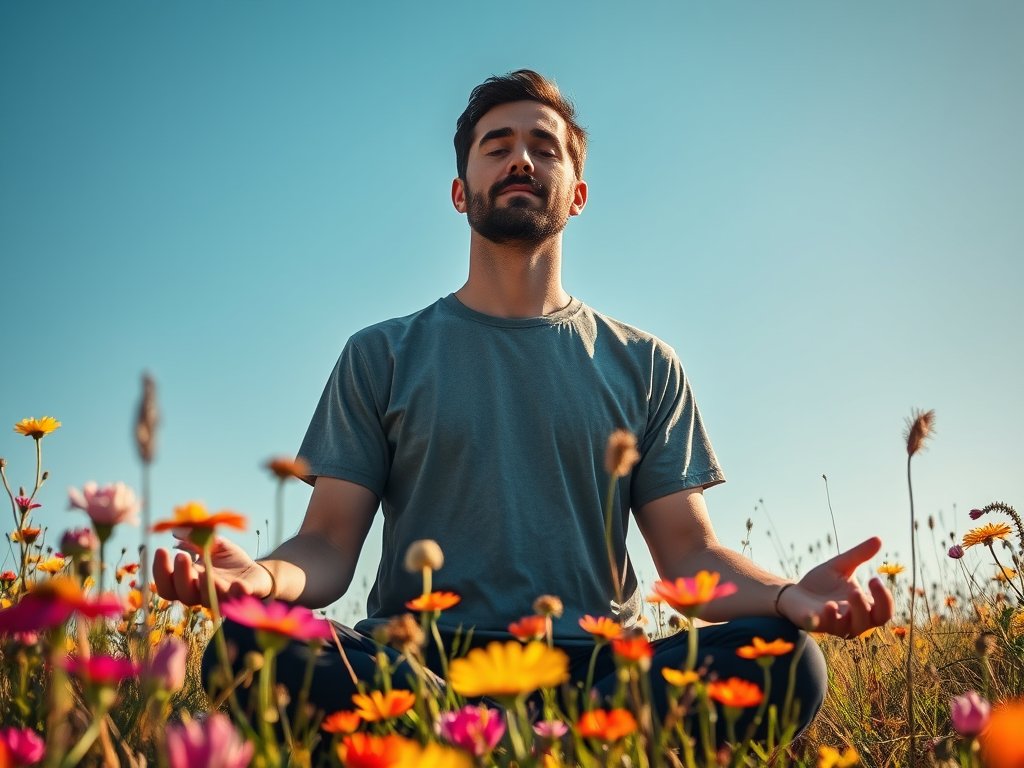

Mindfulness & Self-Care Rituals: The Bedside Book of Small Wonders is your go-to guide for enhancing emotional well-being with rest. It offers practical tips to weave mindfulness into your daily routine, fostering peace and clarity. Remember, taking time for yourself is essential; it’s not just a luxury, but a necessity for your mental health. Embrace these small wonders and watch your well-being flourish!
“Rest when you’re weary. Remember when you’re lost.
Try something new. Be kind—whatever the cost.
The child you were is the soul you still are.
Come home to yourself. You don’t have to go far.”
I still remember hiding inside my mother’s trunk. I must have been six, maybe seven. She’d pull out all the clothes to air them, and there it was—that big wooden trunk, suddenly hollow and inviting. I’d climb inside, curl up like a question mark, and pull the lid almost closed. Just enough space to breathe. Just enough darkness to disappear. In that small, sacred space. I wasn’t the kid who had homework or chores. I wasn’t performing for anyone. I was just… hidden. Safe. Invisible to the world, it gave me emotional well-being and rest of all times.
I didn’t know it then, but I was practicing something ancient—something my soul already understood: the art of creating sanctuary. Decades later, drowning in corporate targets and performance pressure, I’d close my eyes at my desk and imagine my farmhouse. The mango orchards. Lavender and mint. Mountain air so pure it could baptize you. My mind was escaping to greenfields while my body sacrificed holidays, family time, and the very emotional well-being with rest I didn’t know I was dying for.
This handbook is born from that ache—and from the moments that saved me: sketching my father’s face and discovering the artist within, watching a friend dive into deep water to rescue my drowning puppy, and learning that emotional well-being isn’t found in performance, but in presence. Consider this your bedside companion. A handbook to return to when you’ve forgotten who you are beneath the to-do lists. When rest feels impossible. When kindness seems extinct.
🌿 The Trunk and The Farmhouse: Understanding the Rest We Crave
That trunk wasn’t just a hiding place. It was my first lesson in emotional recovery. As adults, we forget this simple truth: rest is not laziness—it’s recalibration. We confuse busyness with purpose, exhaustion with achievement. I learned this the hard way during my corporate years, when I’d fantasize about my farmhouse’s green fields while missing my family’s precious moments. There’s a beautiful concept in yoga philosophy called Shavasana (Corpse Pose). Not because you’re dead, but because you’re practicing complete surrender. Letting go of the need to control, perform, or prove your worth to a world that never stops asking for more.
 A mental wellness tree stating 7 Types of rest for better life style.
The 7 Types of Rest Your Soul Needs:
To achieve true emotional well-being with rest, we must look beyond just sleep. We need a holistic approach to recovery:
- Physical Rest: This includes passive rest like sleep and naps, but also active physical rest like yoga or stretching.
- Mental Rest: Have you ever felt “brain fog”? This is the need for breaks from decision-making and constant problem-solving.
- Emotional Rest: This is the permission to feel without fixing. It means having the space to be authentic without “performing” for others.
- Sensory Rest: In our digital age, we need silence from screens, notifications, and the noise pollution of urban life.
- Creative Rest: This is about experiencing beauty—like a sunset or art—without the internal pressure to produce something from it.
- Social Rest: Distinguishing between relationships that revive us and those that exhaust us. It often requires blessed solitude.
- Spiritual Rest: Reconnecting to a sense of belonging, love, and purpose that exists outside your daily to-do list.
Try this tonight: Create your own “trunk moment.” Find a small, quiet space—a corner, a closet, your parked car. Sit there for just five minutes. No phone. No agenda. Just breathe. Let the world exist without you for a moment. You’ll be surprised how much rest lives in five minutes of intentional disappearance.
💭 Reliving Memories Isn’t Living in the Past
People ask me, “What does reliving old memories mean? Isn’t that just nostalgia?” No. It’s archaeology. When I remember that trunk, I’m recognizing that the part of me who needed sanctuary still exists. In Sanskrit, we call this Smriti (Mindful Remembrance). It’s not passive; it’s active wisdom-gathering. Research published by the National Institutes of Health (NCBI) shows that positive reminiscence can significantly reduce stress and strengthen one’s sense of identity.
Your memories are medicine. When you’re lost in the present, your past can show you the way home. Ask yourself: When was I last completely at peace? What did my younger self know that my busy adult self has unlearned? Reflecting on these memories reduces stress and helps you navigate current challenges with a clearer heart.
🎨 The Kid at Heart Who Never Left
I once sat down and sketched my father’s portrait. I wasn’t a professional artist, but that afternoon, I discovered the artist within. That’s what staying a kid at heart means. Children don’t worry if their drawings are “good enough.” They just draw. As Picasso said, “Every child is an artist. The problem is how to remain an artist once we grow up.” Being a kid at heart isn’t childish—it’s essential for maintaining wonder in a world that tries to make us cynical.
✉️ What I Know Now: Letters to My Younger Self
If I could whisper to my younger self, I’d say: “Your worth was never measured in sales figures.” Writing letters to my younger self isn’t about regret; it’s about completion. In Hindu philosophy, we look at Karma (Action/Intent) as a flow. By forgiving your younger self, you heal the present. Try picking an age—say, 15 or 20—and write one paragraph giving yourself the permission you never received back then. Read it aloud and let the words settle in your soul.
💚 Kindness: The Puppy, The Pond, and Changing Our Lenses
When my puppy fell into the pond, only one friend dove in. That moment taught me about Seva (Selfless Service). He didn’t ask “What’s in it for me?” He just acted. Research from Psychology Today confirms that acts of kindness release endorphins—the happiness hormone. Kindness rewires your brain toward joy and shifts your focus from scarcity to abundance. Try holding a door, sending a thank-you text, or feeding a stray animal today.
🌟 Try Something for the First Time (Even If You’re Scared)
Every first time is a small revolution. The first time I practiced Pranayama (Breath Control) outside of a classroom, I realized I held the power to calm my own nervous system. Whether it’s starting a morning meditation practice or taking a solo trip, the magic is in proving you are still capable of becoming. You are not a finished product; you are an unfolding story.
⚕️ Medical Disclaimer: This handbook shares personal experiences and general wellness insights. It is not a substitute for professional medical advice, diagnosis, or treatment. If you’re experiencing mental health challenges, chronic stress, depression, or anxiety, please consult a qualified healthcare provider.
📖 Found this handbook helpful? Save it and share it.
Subscribe to Urban Wellbeing Tips for more mindful reflections on emotional balance and quiet strength.
🔍 Community Q&A
“Why am I still tired after a full night’s sleep?”
Sleep isn’t the same as rest. To recover, you need to address the 7 types of rest, specifically Sensory and Emotional rest.
“How do I practice emotional well-being with rest with no time?”
Try Pratyahara (English: sensory withdrawal). Just 5 minutes of closing your eyes in a quiet spot resets the brain better than scrolling.
“Is nostalgia healthy?”
Yes, if used as Smriti (English: mindful remembrance) to find the blueprint of your peace, rather than just escaping the present.
“Can Seva (English: selfless service) cure burnout?”
Absolutely. Seva shifts you from a stress mindset to an abundance mindset, which is a powerful form of spiritual recovery.
“Why write to my younger self?”
It settles the Karma (English: action/intent) of old wounds, giving that child—and your current self—permission to finally rest.
- When Self-Care Broke Us: Reclaiming Wellness
- The Ghost in the Gym: Why Your Routine is a Crime Scene
- The Superpower I’d Choose —And Why It Would Break Me
- How to Slow Down in the City (When It Won’t Slow for You)
- Self Care Tips for City Dwellers Who Are Running Empty


Please Leave a Reply